
Do I Need A Root Canal? Key Symptoms You Should Never Ignore
Written by Ben KemsleyReading Time - 5 min
- Private Dentist Woking
- root canal woking
- sensitivity
- toothache

Toothache, sensitivity and swelling are three symptoms that many people try to ignore, hoping they will disappear on their own. In reality, these signs often point to a deeper problem inside the tooth. When the inner pulp becomes inflamed or infected, discomfort can quickly escalate and the tooth may be at risk. This is where root canal treatment becomes the solution that protects your natural tooth and restores comfort.
At Goldsworth Road Dental and Implant Centre, we see many patients who arrive worried about pain, unsure of what is causing it and anxious about what treatment might involve.
Understanding the symptoms and knowing when a root canal is the right option can make the whole experience far less daunting.
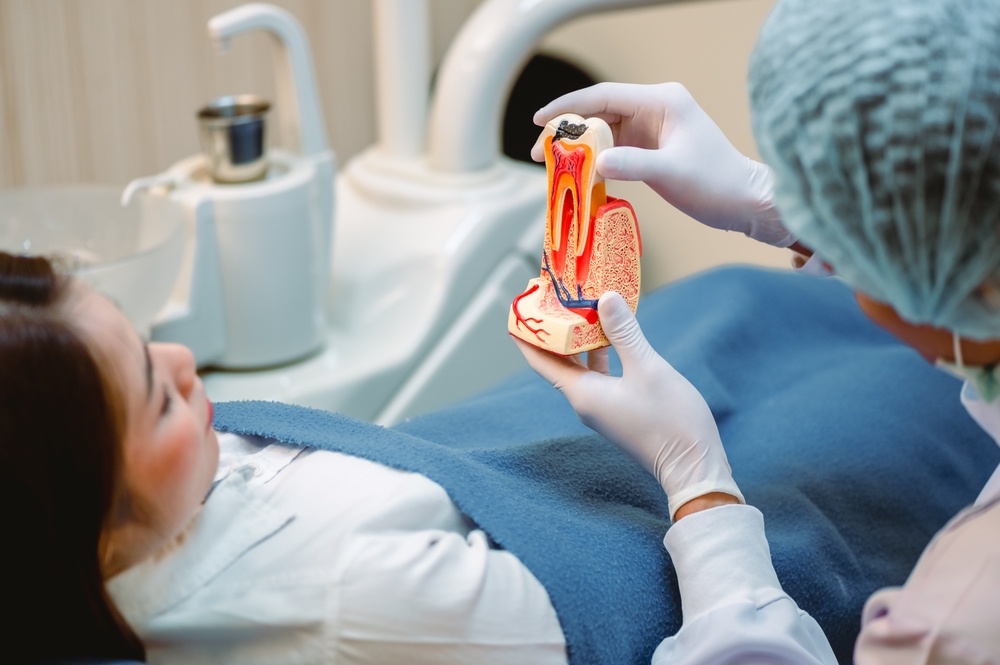
Root Canal Treatment at Goldsworth Road Dental and Implant Centre
At Goldsworth Road Dental and Implant Centre in Woking, we provide high‑quality root canal treatment in a calm, supportive setting where patient comfort always comes first.
We are proud to offer Specialist endodontic care with Dr Noman Athwal, who accepts referrals from general dentists and provides all treatments with high precision under a microscope. His advanced training and experience allow him to manage complex cases and deliver predictable, long-lasting results.
Clients across Woking and the wider Surrey area regularly comment on the standard of care they receive with us:
“Brilliant root canal treatment. No pain during the procedure, no swelling or pain afterwards. Only downside was having to keep my mouth open for an hour!”
- Chris Basey
“Noman and his nurse were lovely, calm and reassuring and did an amazing job to the point that I could feel myself beginning to drift off!”
- Liz Perkins

Why Toothache, Sensitivity and Swelling Should Never Be Ignored
Tooth pain is one of the clearest signals that something is wrong. While mild sensitivity can sometimes be linked to enamel wear or receding gums, persistent or sharp pain usually indicates that the pulp inside the tooth has become irritated or infected. This can happen due to decay, a cracked tooth, trauma or a deep filling that has disturbed the nerve.
Sensitivity that lingers after eating or drinking something hot or cold is another warning sign. If the sensation lasts more than a few seconds, it may be a sign that the nerve is struggling to recover from inflammation.
Swelling is the most serious symptom of all. Puffiness around the gum, a small pimple-like bump or swelling in the face can indicate an abscess. This means the infection has spread beyond the tooth and requires urgent attention. Delaying treatment can lead to severe pain, bone loss and the risk of the infection spreading further.

When a Root Canal Becomes the Best Treatment Option
A root canal is recommended when the pulp inside the tooth is infected or inflamed. The pulp contains nerves and blood vessels, so once it becomes compromised, the tooth cannot heal on its own. Without treatment, the infection will continue to spread and the pain will worsen.
Common signs that a root canal may be needed include:
- Ongoing toothache that does not settle
- Pain when biting or chewing
- Sensitivity that lingers
- Swelling or a gum boil
- A tooth that has darkened in colour
Saving the natural tooth is almost always the best long-term option because it maintains the bite, prevents shifting of neighbouring teeth and avoids the need for more complex restorative work.
What Happens During Root Canal Treatment
Many people are surprised to learn that modern root canal treatment is far more comfortable than they expect. With advanced techniques and effective local anaesthetic, the procedure feels similar to having a filling.
The process usually involves:
- Numbing the tooth so the patient remains comfortable
- Creating a small opening to access the infected pulp
- Cleaning and shaping the root canals
- Disinfecting the area thoroughly
- Filling the canals with a specialist material
- Sealing the tooth and placing a crown if required
The aim is to remove the source of infection and protect the tooth from future problems. Most patients feel significant relief within a day or two because the inflamed nerve tissue has been removed.

What Happens If Treatment Is Delayed
Putting off a root canal can lead to several complications. The infection can spread deeper into the bone, causing more severe swelling and pain. The tooth may eventually become impossible to save, leaving extraction as the only option. Losing a tooth can affect chewing, speech and confidence, and replacing it with an implant or bridge is more complex and costly than preserving the natural tooth.
Early treatment is always the safest and most predictable route. If you are experiencing any of the symptoms mentioned above, it is important to seek advice promptly.
Take the Next Step
If you are dealing with toothache, sensitivity or swelling, getting help early can protect your tooth and prevent the problem from becoming more serious.
Whether you are seeking relief from dental pain or you are a dentist looking for a trusted specialist for your patients, our Woking practice is ready to help.Book an appointment or submit a referral and let our team provide the expert care you are looking for.